The Writing Advice Trap
Why your writing process needs to fit your personality
By Maddison Michaels
THE WRITING ADVICE TRAP
WHY YOUR WRITING PROCESS NEEDS TO FIT YOUR PERSONALITY
By Maddison Michaels – 530 words
Have you ever tried writing advice that another author absolutely swears by, only to find it makes you want to avoid your manuscript altogether?
Perhaps the advice was to plan every scene before drafting, which made your creativity feel stifled. Perhaps it was the opposite: just write and discover the story as you go, which left you feeling completely lost. Maybe you were told to write by the clock, but you work better in concentrated bursts. Or perhaps silence is supposed to help you focus, while you need music or movement to bring the story alive.
Writers are surrounded by advice about the ‘right’ way to write. The problem is that a process can be excellent for one writer and completely wrong for another. When that happens, writers often assume it says something about their talent, discipline or ability.
But the truth is, we are all wired to write differently!
A more useful question to ask is: does this writing process actually fit the way I naturally create and write?
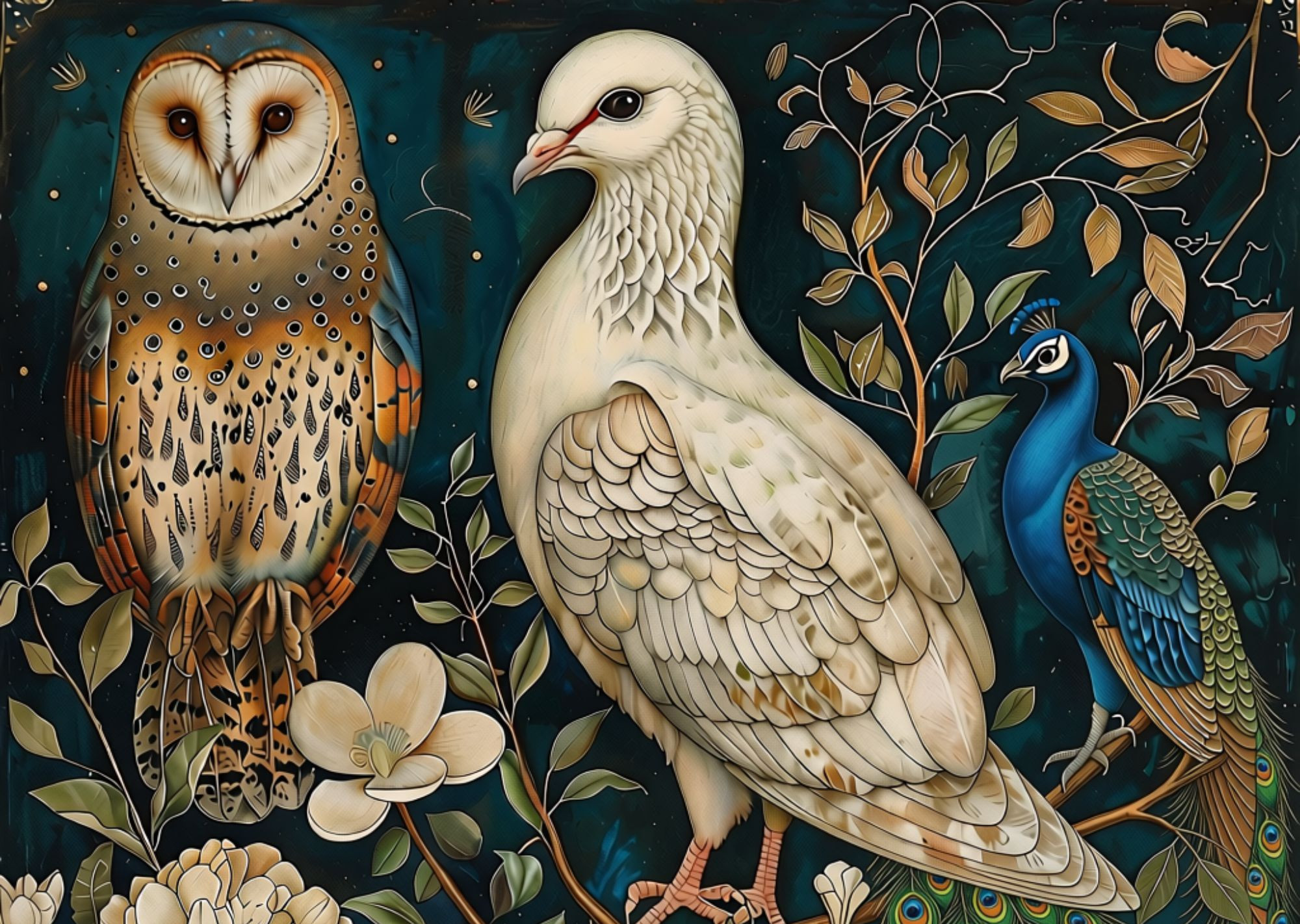
And that question sits at the heart of the Bird Writing Personality work I use with writers. The framework explores four main personality tendencies: Dove, Owl, Peacock and Eagle.
Dove writers are often empathetic, relationship-led and emotionally intuitive. They bring enormous heart to the page, although self-doubt or concern about other people’s opinions can make writing feel vulnerable.
Owl writers tend to be analytical, structured and detail-focused. They often love research and plotting, although wanting to feel completely prepared can delay the moment they begin. Peacock writers are expressive, idea-rich and energised by possibility. Their creativity can be wonderfully expansive, but the constant arrival of new ideas can make finishing the current manuscript more challenging. Eagle writers are decisive, goal-focused and driven by forward movement. They can build momentum quickly, although their drive to keep moving can sometimes leave less room for reflection or emotional depth in their stories.
The value comes from recognising your personality patterns and building a writing process that supports them.
A Dove might write more freely in an encouraging, emotionally safe environment. An Owl might benefit from placing a clear boundary around research so planning leads into writing not procrastination. A Peacock might keep a notebook for new ideas while maintaining focus on the current manuscript. An Eagle might thrive with a strong word-count target while deliberately making space to deepen character and emotion.
The goal is to understand how you are uniquely wired to write, so you can work with your personality rather than trying to follow somebody else’s process. And when your writing process fits your natural creative wiring, more of your energy can go where it belongs: into your book!
So, when writing starts feeling harder than it should, look at your process. Ask what helps you think, what helps you connect with the story, what creates resistance and what makes returning to the page easier. Those answers might tell you far more about how to finish your book than another perfect writing routine ever could.


Comments